Fiber Mesh: A Color Font for Modern Design
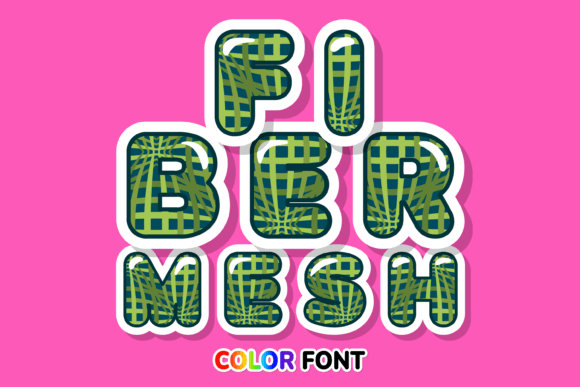
Imagine a font that doesn't just convey words but injects immediate texture, depth, and a stunning visual personality into every letter. That's the power of Fiber Mesh, an incredibly cool color font designed to elevate your creative projects from ordinary to extraordinary. This isn't just typography; it's a built-in design element that adds a lovely, tactile touch to any creation, making it a standout asset for designers, crafters, and digital creators alike.
Understanding the Fiber Mesh Aesthetic
Fiber Mesh is an Opentype-SVG color font, a modern typographic technology that allows for multi-colored, textured, and even photographic designs within a single font file. Unlike standard fonts that are single-color outlines, this type renders complex visuals directly from the font itself. The result is a letterform with a woven, fibrous appearance, offering a unique blend of organic texture and digital precision. This makes it a powerful tool for adding visual interest and a handcrafted feel to your graphic design work.
Practical Applications for Visual Impact
The versatility of a textured color font like Fiber Mesh allows it to serve multiple functions across a design workflow. It can act as a headline hero, a subtle branding element, or a core component of a visual system.
Strengthening Brand Identity and Logo Design
For brands seeking a modern aesthetic with a touch of artisanal character, Fiber Mesh is invaluable. Use it to create a memorable logo mark, monogram, or brand identifier that communicates uniqueness and quality. Its textured appearance works exceptionally well for brands in lifestyle, craft, boutique retail, or creative services, instantly conveying a sense of depth and craftsmanship that flat fonts cannot.
Elevating Marketing and Social Media Graphics
In the fast-paced world of digital marketing and social media graphics, capturing attention is paramount. Fiber Mesh provides an immediate visual hook. Create scroll-stopping headlines for Instagram posts, engaging story titles, or impactful call-to-action text on digital ads. Its inherent texture ensures your message stands out in a crowded feed, enhancing user engagement and reinforcing brand recognition through distinctive visual hierarchy.
Enhancing Editorial and Web Design
Within editorial design for magazines or blogs, and in web design for hero sections or feature titles, this font adds a layer of sophistication. It introduces a curated, design-forward element that improves the overall user experience by making content more visually appealing and easier to remember. The textured letters can break the monotony of long-form text, guiding the reader's eye and emphasizing key information.
Key Considerations for Effective Use
To integrate a specialized asset like Fiber Mesh successfully, thoughtful application is crucial. It should complement, not complicate, your design goals.
- Software Compatibility: As an Opentype-SVG font, it functions best in applications that support advanced font features, such as Adobe Photoshop, Illustrator, and Silhouette Studio. Always verify compatibility with your primary design software before purchasing or implementing.
- Context and Readability: Due to its intricate texture, Fiber Mesh is ideal for short, impactful text—headlines, titles, logos, and pull quotes. For body copy, prioritize readability and pair it with a clean, simple sans-serif or serif font to maintain a clear visual hierarchy.
- Color and Composition: The font's appearance can be influenced by the background color or imagery behind it. Test it against various color palettes to ensure the texture remains visible and impactful. Use it as a focal point within your composition to avoid visual clutter.
- Scalability: While vector-based in nature, the complexity of an SVG font means extremely small sizes may lose detail. Use it at sizes where its unique texture is fully appreciated.
Integrating Quality Assets into Your Creative Projects
Choosing the right creative assets is a fundamental part of professional design. A resource like Fiber Mesh represents more than just a font; it's a tool for solving specific visual communication challenges. It helps bridge the gap between a flat digital interface and the desired tactile, engaging experience. By thoughtfully incorporating such assets, designers can streamline their workflow, ensure consistency across branding materials, and deliver a polished, professional result that resonates with audiences. Ultimately, the most effective designs are those where every element, including typography, works in concert to tell a cohesive and compelling story.